The F-Commerce Economy: How Facebook Pages Became Bangladesh’s Real Online Marketplace
Bangladesh never got an Amazon. It got hundreds of thousands of Facebook pages instead. How f-commerce works, how big it really is, who earns from it, where buyers get burned, and what the rules say in 2026.

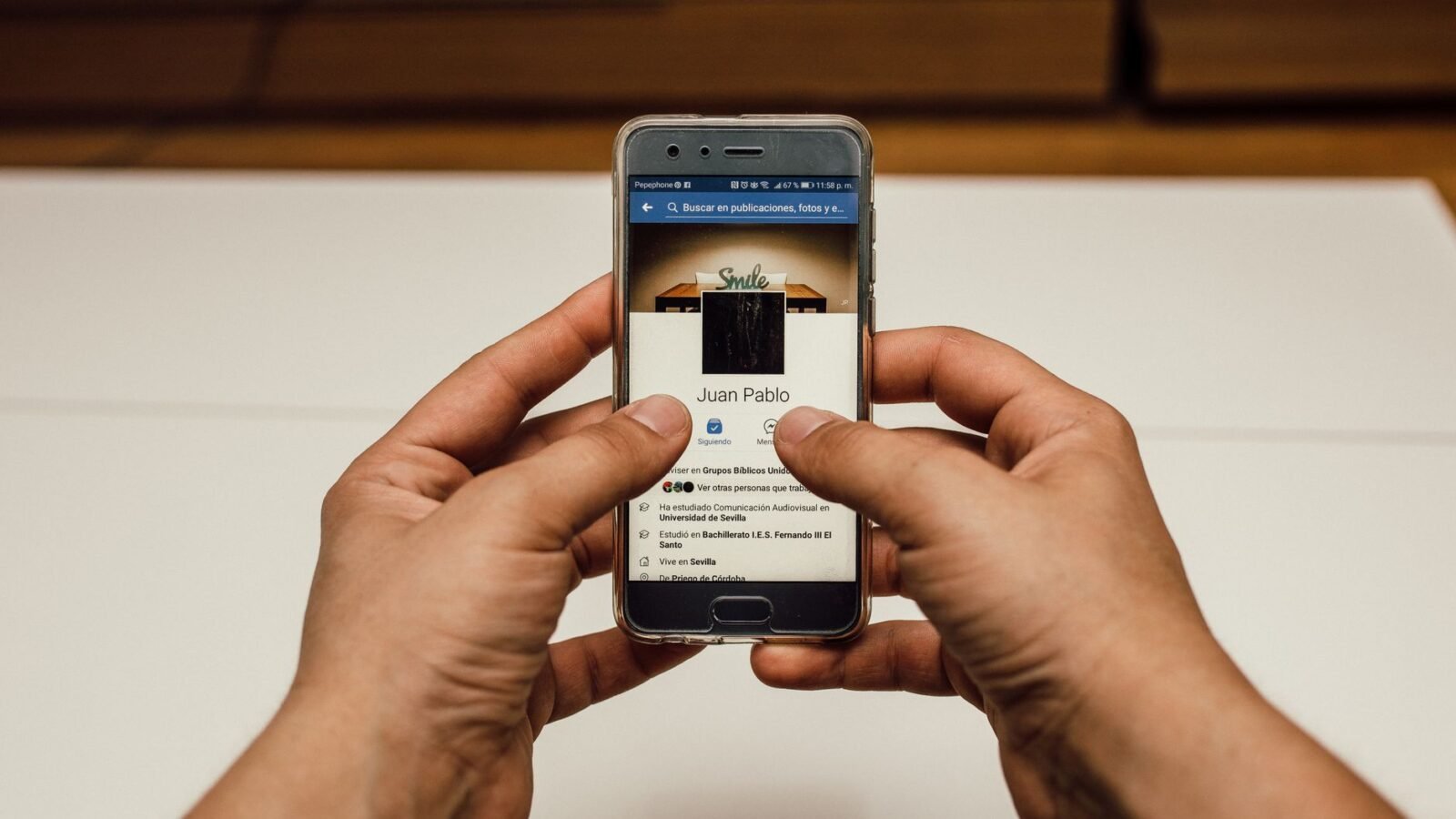
Bangladesh never got its Amazon. Instead it got hundreds of thousands of Facebook pages selling saris, cakes, phone covers, honey and handmade jewellery, paid for in cash at the door and delivered by motorbike. This is how that economy works, how big it really is, who wins and loses in it, and where it is heading.
Ask a Dhaka university student where she bought her last kurti, and there is a good chance the answer is not a shop or a website. It is a Facebook page. She saw a post, sent a message asking “price koto?”, got a reply in the inbox, gave her address, and paid the delivery man in cash two days later. No app, no card, no checkout page.
That simple loop of post, message, deliver and pay cash is the backbone of what Bangladeshis call f-commerce: buying and selling through Facebook. It is informal, mostly unregistered and hard to measure. It is also, for millions of people, the real online marketplace.
What f-commerce actually means
F-commerce is any business that finds customers and takes orders mainly through Facebook: a page, a group, a live video, or Messenger. In practice it now spills over into Instagram, WhatsApp and TikTok too, but Facebook remains the centre.
The typical f-commerce business looks very different from a website-based e-commerce company:
- The shop is a Facebook page. Products are posted as photos, reels or live videos. There is often no website at all.
- The checkout is a conversation. Prices are frequently hidden behind “inbox for price”, and orders are taken by hand in Messenger.
- Payment is mostly cash on delivery, with bKash, Nagad or other mobile wallets used for advance payments or delivery charges.
- Delivery is outsourced to courier companies that also collect the cash and pass it back to the seller.
- The owner is often one person, frequently a woman running the business from home, sometimes alongside a job or studies.
How big is f-commerce? Nobody knows exactly
This is the first honest thing to say about f-commerce: there is no official count. Most sellers are not registered anywhere, so every number you see is an estimate, and the estimates vary widely.
| Figure | What it measures | Source and date |
|---|---|---|
| About 72 million | Facebook users in Bangladesh, about 40% of the population | NapoleonCat, September 2026 |
| Over 300,000 | Estimated Facebook stores | Rest of World, July 2020 |
| About 5.75 lakh | Women f-commerce entrepreneurs | Women and e-Commerce (WE) forum, quoted by The Business Standard, December 2022 |
| More than 50,000 | Social media-based entrepreneurs | The Financial Express, March 2026 |
| 2,136 | Digital businesses certified with a DBID, out of 13,541 applications | RJSC figures in The Financial Express, March 2026 |
| About US$7.5 billion | Whole e-commerce sector in 2024 (all channels, not only Facebook) | e-CAB administrator, The Daily Star, August 2025 |
Why the huge gap between 50,000 and 5.75 lakh? Because they count different things. One counts businesses that are reasonably established; the other counts anyone, mostly women, who has sold through Facebook, including people who sell occasionally from home. Both can be roughly right at the same time. What no figure captures well is the long tail: the student who sells a few dozen cakes before Eid, or the family that sells mangoes from Rajshahi for one season a year.
The registration figure is the most telling. After more than four years of the government’s Digital Business Identification (DBID) system, only about two thousand businesses have been certified. Measured against Facebook’s reach, that means the overwhelming majority of f-commerce still operates entirely outside any formal register.
As for value, e-CAB says the whole e-commerce sector was worth nearly US$7.5 billion in 2024 and still made up only 3% to 5% of total retail. How much of that runs through Facebook is anyone’s guess. Back in 2020, Rest of World put the f-commerce sector at about US$400 million. The women’s forum WE estimated in 2022 that women sellers alone did about Tk 600 crore a year in sales. Treat all of these as rough indicators, not measurements.
Why Facebook won, and websites did not
In many countries, online shopping grew around big marketplaces like Amazon or Alibaba. In Bangladesh, the marketplaces came, and some like Daraz grew large, but they never captured the small seller the way Facebook did. Several reasons explain it.
1. Facebook is where people already are
For a large share of Bangladeshis, Facebook is the internet. With around 72 million users according to NapoleonCat, and the biggest group aged 18 to 24, a seller can reach customers in every district without asking anyone to download a new app or remember a website address.
2. It costs almost nothing to start
A page is free. There is no listing fee and no commission. A seller needs a phone, some stock and a small advertising budget. Compare that with building a website, getting a payment gateway approved and paying marketplace commissions. For someone testing an idea with Tk 20,000 of savings, Facebook is the obvious place to start.
3. Conversation matches how Bangladeshis shop
Shopping in Bangladesh has always been a conversation. People ask questions, compare, bargain and want reassurance. Messenger recreates the shop counter. Buyers can ask for more photos, check the fabric, ask whether a colour is available, and judge whether the seller seems trustworthy. Live videos do the same at scale: a seller holds up each sari and buyers comment “done” to claim it.
4. Cash on delivery solved the trust problem
Few Bangladeshis have credit cards, and many do not trust paying a stranger in advance. Cash on delivery removes that fear: you see the product before you pay. After the Evaly-era scandals, the government pushed Facebook-based traders towards cash on delivery, according to bdnews24. Today COD still dominates online shopping, as e-CAB acknowledges, even as mobile wallets grow.
5. Social proof is built in
On Facebook, a shop’s reputation is visible: follower counts, comments, reviews, and photos posted by real customers. Buyers often check whether friends follow a page before ordering. It is an imperfect system that can be gamed, but it is more than many small websites offer.
The machinery behind a Facebook order
F-commerce looks simple from the outside, but it rests on an infrastructure that barely existed fifteen years ago.
Couriers that collect cash
The real enablers of f-commerce are courier companies such as Pathao, Steadfast, RedX, Paperfly and Sundarban. They pick up parcels from the seller’s home, deliver them, collect the cash, and transfer it back, usually to a bank account or mobile wallet. Pathao alone says it handles more than 250,000 orders a day, according to The Daily Star. The same report notes that over 700 courier companies operate across the country, but only 114 are licensed.
Mobile wallets
bKash, Nagad and other mobile financial services fill the gaps that cash cannot: advance payments for custom orders, delivery charges paid upfront to reduce fake orders, and payments to suppliers. A women’s f-commerce forum told The Business Standard that a large share of its members’ sales already went through mobile banking.
Facebook ads
Organic reach on Facebook has fallen sharply over the years, so most serious sellers pay to “boost” posts. That makes Meta’s ad system the real gatekeeper of f-commerce. Ad costs rise before Eid and other peak seasons, exactly when everyone wants to sell.
Suppliers and wholesale markets
Many pages are resellers. They buy from wholesale markets in Dhaka such as Islampur, Gausia and Chawkbazar, from factory surplus, or from importers, then sell online at a markup. Others make their own products: food, crafts, clothing and cosmetics.
Who runs these businesses
The f-commerce workforce is unusual in Bangladesh’s economy for one reason: a large part of it is women. Rest of World reported in 2020 that about half of Facebook sellers were women, and the WE forum estimated 5.75 lakh women f-commerce entrepreneurs in 2022, with numbers rising 40% during the pandemic.
The reasons are practical. A Facebook business can run from home, fit around childcare, and avoid the barriers women face renting a shop or dealing with wholesale markets every day. For many, it is the first income they control.
The other big groups are students and young graduates who cannot find jobs, salaried workers running a side business, and small shops in district towns that use Facebook to reach buyers beyond their street. Covid-19 lockdowns pushed thousands more online in 2020 and 2021, and many of those pages never went back offline.
If you are thinking of starting one, our step-by-step guide on starting an online clothing business on Facebook walks through stock, pricing and delivery in detail.
The money: what a Facebook seller really earns
Many people imagine f-commerce margins are huge because the product markup looks large. The hidden costs tell a different story. Here is an illustrative example using our own assumptions, not data from any real business.
A page sells a dress for Tk 1,200 that costs Tk 650 to buy. It spends about Tk 150 on ads for each order it receives, and offers free delivery, paying the courier Tk 70 per parcel plus a 1% cash collection charge. When a buyer refuses the parcel at the door, the seller pays Tk 70 to send it and Tk 70 to get it back. We assume returned dresses can be sold again.
| For every 100 orders | 15% returned | 30% returned |
|---|---|---|
| Parcels accepted | 85 | 70 |
| Sales revenue | Tk 102,000 | Tk 84,000 |
| Total costs (stock, ads, delivery, returns) | Tk 79,320 | Tk 70,440 |
| Profit before rent, packaging and the owner’s time | Tk 22,680 | Tk 13,560 |
| Profit as a share of revenue | about 22% | about 16% |
Our calculation, using illustrative assumptions.
The lesson: a product with an 85% markup ends up earning far less once ads, delivery and returns are counted. Returns are the silent killer. When buyers casually order and then refuse parcels, the seller pays twice for delivery and still has the stock. That is why many pages now ask for the delivery charge in advance by bKash, and why a bad return rate can turn a profitable page into a loss.
Where it goes wrong: scams, fake pages and no redress
The same features that make f-commerce easy to start make it easy to abuse.
Fake pages and impossible discounts
bdnews24 has documented fraudulent Facebook campaigns that copy the names and logos of real brands, advertise impossible discounts on phones, air conditioners and bicycles, and demand payment in advance. The pages disappear after a few days, the phone numbers go dead, and the same people reopen under a new name. The common thread: no cash on delivery and pressure to pay first.
“Picture e ek, haate arek”
The most common complaint is less dramatic: the product that arrives does not match the photo. Fabric is thinner, colours differ, sizes are off. Cash on delivery helps only if the buyer can inspect the parcel before paying, and many couriers do not allow opening it first.
The long shadow of Evaly
The collapse of Evaly and similar platforms in 2021 was not f-commerce in the narrow sense, but it shaped how Bangladeshis view online shopping. According to the Dhaka Tribune, the consumer rights directorate has received 58,720 e-commerce complaints, with claims of about Tk 3,869 crore. Of around Tk 531 crore stuck in payment gateways, Tk 472 crore has been refunded. The rest of the claimed money is a much harder story.
Platform risk for sellers
Sellers face their own danger: they do not own their shop. A hacked account, a mistaken policy strike, or a change to Facebook’s algorithm can wipe out a page with years of followers overnight. Rest of World reported that Facebook’s automated filters have removed posts using words like “buy” and “sell” in some categories. A business built entirely on one platform is a business on rented land.
What the rules say
Bangladesh has tried to bring order to online selling in stages.
- Digital Commerce Operation Guidelines, 2021. Issued by the Ministry of Commerce in July 2021, they set delivery deadlines of 5 days within the same city and 10 days elsewhere after payment, require sellers to state return conditions, and require marketplaces to resolve complaints within 72 hours. They apply to “all digital commerce businesses” in the country, though how fully they reach one-person Facebook pages is unclear.
- Digital Business Identification (DBID). Online businesses, including Facebook-based ones, are meant to register with the Registrar of Joint Stock Companies and Firms. An NID is enough to apply. As of March 2026, 13,541 applications had been filed and 2,136 businesses certified, with most rejections due to compliance issues.
- Draft Cross-Border Digital Commerce Policy, 2026. Reported by the Daily Observer in August 2026, the draft would require foreign digital businesses to obtain a DBID, bar sales of counterfeit goods and misleading ads, and require clear refund and return information before purchase. It was still a draft when it went out for public comment.
- Taxes. Most Facebook sellers pay no VAT or income tax on their sales because they are not registered. Meanwhile, the government has steadily tightened VAT on online business; the FY2025-26 budget proposed raising VAT on commission-based online sales from 5% to 15%, The Financial Express reported. Formal sellers bear these costs; informal ones do not, which is one reason many stay informal.
The gap between rules and reality is the heart of the f-commerce story. The rules assume registered businesses with websites and payment gateways. The economy is mostly people with a page, a phone and a courier account.
Why it matters for the wider economy
F-commerce is easy to dismiss as small-scale trading. That would be a mistake.
- It creates jobs where formal jobs are scarce, especially for women and young people.
- It built the delivery network that the whole economy now uses, from medicine to documents to mangoes.
- It pushed digital payments into ordinary households through bKash and Nagad.
- It connects district towns to national markets. A potter in Bogura or a honey producer in the Sundarbans can sell to Dhaka without a middleman.
But informality has costs too. Sellers cannot easily borrow from banks because their income is undocumented. Buyers have little protection. The government collects little revenue from a growing sector. And the whole economy depends on one foreign platform whose rules can change without notice.
What comes next
Several shifts are already visible:
- From one platform to many. Sellers increasingly spread across Facebook, Instagram, WhatsApp and TikTok to reduce dependence on any one.
- From page to website. Growing sellers add simple websites so they own their customer list and can take digital payments.
- From cash to wallets. Advance delivery charges by bKash are becoming normal, and cash on delivery may slowly give way to wallet payments.
- From informal to registered. DBID and tax rules will keep pushing, but only incentives such as easier loans or access to marketplaces are likely to bring the mass of small sellers in.
For buyers: how to shop safely on Facebook
- Be very suspicious of discounts that look too good, especially on branded electronics.
- Prefer cash on delivery, and avoid paying the full price in advance to a page you do not know.
- Check the page’s age, its “Page transparency” history and real customer photos, not just the follower count.
- Ask about the return policy before ordering, and save screenshots of the conversation.
- If you are cheated, complain to the Directorate of National Consumer Rights Protection and report the page to Facebook.
- Do not order on impulse and then refuse the parcel. It costs honest sellers real money.
For sellers: how to build something that lasts
- Track every cost per order, including ads and returns, not just the product markup.
- Show prices openly. “Inbox for price” annoys buyers and wastes your time.
- Take the delivery charge in advance for new customers to cut fake orders.
- Protect your account with two-factor authentication and keep more than one admin.
- Keep a customer list outside Facebook, such as phone numbers or a WhatsApp list.
- Consider a trade licence and DBID once you are growing. Documented income makes loans and partnerships easier.
- Keep business money separate from personal money. Our guide on investing with small amounts covers what to do with profits once you have them.
Selling to clients abroad as well? Our guide to getting paid from abroad explains the options.
This article is for general information only. It is not legal, tax or business advice. Rules on online business and taxes in Bangladesh change often, so check current requirements before acting.
Frequently asked questions
What is f-commerce in Bangladesh?
It means selling products through Facebook pages, groups, live videos and Messenger, usually with cash on delivery and courier delivery, rather than through a website or marketplace.
How many Facebook sellers are there in Bangladesh?
No one knows exactly. Estimates range from more than 50,000 established social media businesses to over five lakh women sellers alone, depending on who is counted. Only about 2,136 digital businesses had DBID certification as of March 2026.
Do I need a licence to sell on Facebook?
Online businesses are expected to obtain a Digital Business Identification (DBID), and a trade licence is needed for formal business activity. In practice most small sellers have neither, but registering becomes important as you grow.
How long should delivery take?
Under the 2021 guidelines, five days within the same city and ten days for other cities after payment.
Is cash on delivery safe?
It is the safest common option for buyers, because you do not pay until the parcel arrives. It does not protect you from poor quality if you cannot inspect the item before paying.
Where can I complain about a Facebook seller?
The Directorate of National Consumer Rights Protection accepts complaints about online purchases. You should also report the page to Facebook and keep all screenshots and payment records.
Key words explained
| Term | What it means |
|---|---|
| F-commerce | Buying and selling through Facebook and related social media. |
| COD | Cash on delivery: paying the courier in cash when the parcel arrives. |
| DBID | Digital Business Identification, a registration for online businesses issued through the RJSC. |
| RJSC | Registrar of Joint Stock Companies and Firms, the government office that registers businesses. |
| MFS | Mobile financial services such as bKash and Nagad. |
| Return rate | The share of orders that buyers refuse or send back. |
| Boosting | Paying Facebook to show a post to more people. |
| e-CAB | E-commerce Association of Bangladesh, the industry body. |
How we reported this
We gathered figures from NapoleonCat’s Facebook user data, reporting by Rest of World, The Business Standard, The Daily Star, The Financial Express, the Dhaka Tribune, bdnews24 and the Daily Observer, and an article by e-CAB’s administrator. Because no official count of f-commerce exists, we present several estimates side by side and explain why they differ. The seller profit example uses our own illustrative assumptions and does not describe any real business. We did not interview sellers for this article.
Sources
- NapoleonCat: Facebook users in Bangladesh (September 2026) · napoleoncat.com
- Rest of World: Bangladesh's economy runs on Facebook (July 2020) · restofworld.org
- The Business Standard: How MFSs help shine women f-commerce entrepreneurs (December 2022) · tbsnews.net
- The Financial Express: Digital business applications pile up (March 2026) · today.thefinancialexpress.com.bd
- The Daily Star: E-commerce can be Bangladesh's next growth engine, by e-CAB administrator (August 2025) · online87.thedailystar.net
- The Daily Star: How couriers are powering e-commerce, everyday life (July 2025) · thedailystar.net
- bdnews24: Fraudulent Facebook campaigns target Bangladeshis with deep discounts · bdnews24.com
- Dhaka Tribune: Over 58,000 e-commerce complaints lodged (August 2026) · dhakatribune.com
- The Daily Star: Overview of the Digital Commerce Operation Guidelines 2021 · thedailystar.net
- Daily Observer: Draft Cross-Border Digital Commerce Policy 2026 (August 2026) · observerbd.com
- The Financial Express: Budget FY26, govt to triple VAT on online businesses (June 2025) · thefinancialexpress.com.bd
Keep reading
Digital Banks Are Coming: What Changes for the Average Customer
Crypto in Bangladesh: What the Law Says vs What People Actually Do
Which International Payment Platform Works Best for Bangladeshi Businesses?