Is Early Loan Repayment Worth It in Bangladesh?
Paying off a loan early in Bangladesh usually saves far more interest than the 0.5% fee banks may charge. When early repayment makes sense, when it doesn't, and how to do it properly.

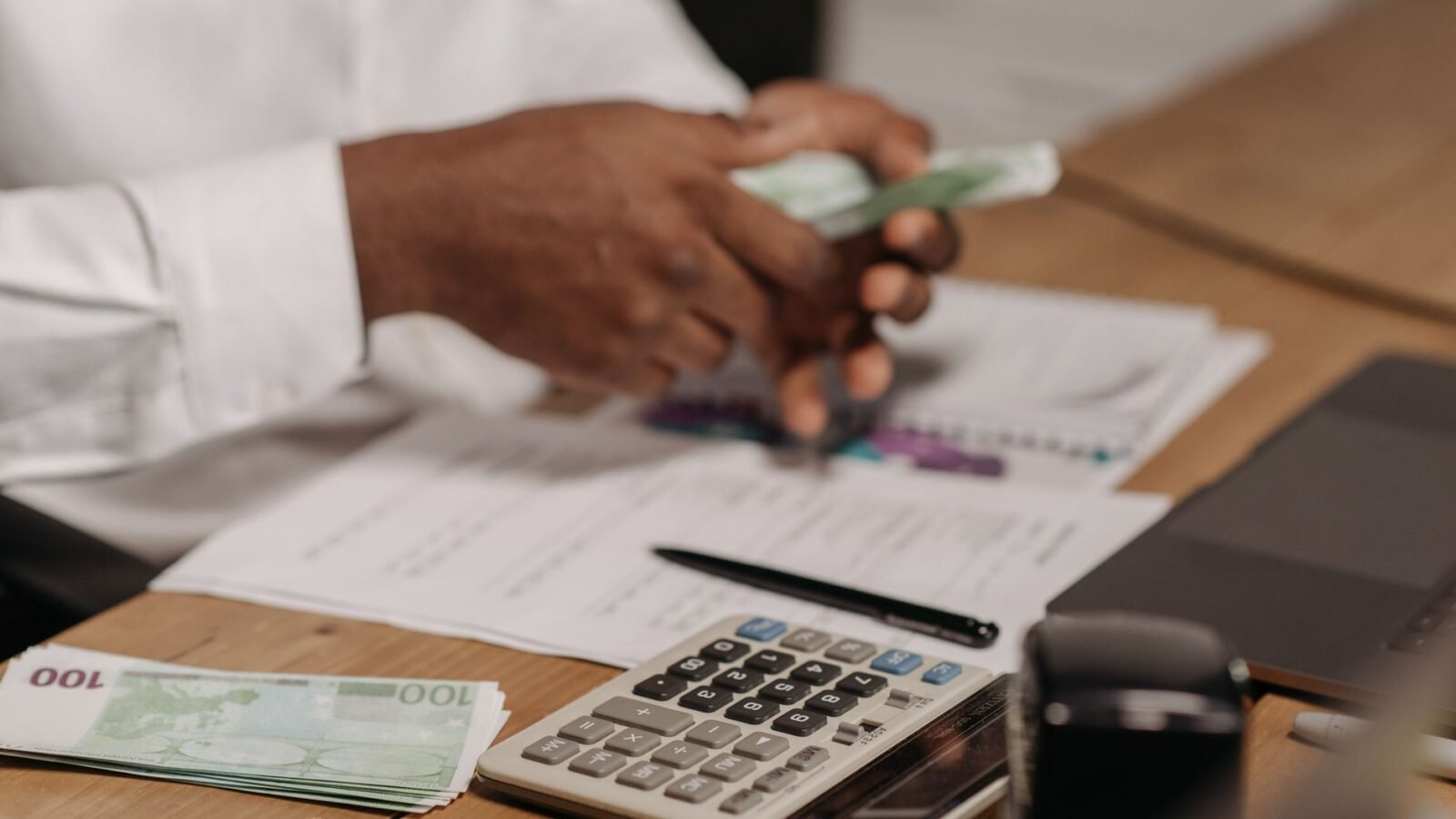
Short answer: For most borrowers in Bangladesh, yes. Bangladesh Bank caps the early settlement fee on bank term loans at 0.5% of the amount repaid, and bars it altogether on cottage, micro and small business loans. That fee is usually tiny next to the interest you save, especially early in a loan and on high-rate personal loans or credit card balances. But early repayment is not worth it if it leaves you with no emergency fund, or if you have a costlier debt to clear first. Repay the most expensive debt first, keep three to six months of expenses aside, and always get a closing letter.
A bonus and a question
Rafiq, 34, works for a garments buyer in Dhaka. He has Tk 3 lakh left on a personal loan at 13%, with two years to go. His Eid bonus and some savings add up to exactly Tk 3 lakh. “Should I close the loan, or keep the cash in a fixed deposit?” he asks. “And will the bank punish me for paying early?”
What does it cost to repay a loan early?
In 2021, Bangladesh Bank cut the maximum early settlement fee on term loans from 2% to 0.5% of the amount repaid early, New Age reported. The same rules say:
| Loan type | Early settlement fee |
|---|---|
| Bank term loans (personal, home, car) | Up to 0.5% of the amount repaid early |
| Demand loans and cash credit | No fee |
| Cottage, micro and small business loans | No fee |
| Non-bank finance company (NBFI) loans | Set by each company; check your sanction letter |
Bank schedules follow this cap. Bank Asia’s schedule of charges from July 2026, for example, lists a 0.5% early settlement fee on the outstanding balance and a 0.5% partial settlement fee on personal, home and car loans, no early settlement fee on CMSME loans, and 0.5% for early settlement of credit card EMI plans, all plus VAT (Bank Asia).
Finance companies (NBFIs) can work differently. Read your sanction letter and ask for the fee in writing before you pay. Our DBH apartment loan review explains how prepayment terms and rate changes can catch borrowers out.
How much can you save?
These are our calculations, using simple reducing-balance loans. Your bank’s exact figures will differ slightly.
| Example | Interest saved | Fee (0.5% + 15% VAT) |
|---|---|---|
| Personal loan: close Tk 3 lakh at 13% with 2 years left | About Tk 42,300 | About Tk 1,725 |
| Home loan: pay Tk 5 lakh early on Tk 30 lakh at 12% with 15 years left, same EMI | About Tk 16.9 lakh, and the loan ends about 5 years sooner | About Tk 2,875 |
The pattern is clear: the earlier in the loan you prepay, the more you save, because interest is front-loaded. In the first years of a home loan, most of each EMI goes to interest, not principal.
When is early repayment worth it?
- Your loan rate is higher than what your savings earn after tax. Bank fixed deposits pay well below most loan rates, and interest on deposits is taxed at source. If your loan costs 13% and your deposit earns about 8% before tax, paying off the loan is the better “investment”.
- Your rate is variable and rising. Many retail loans are priced as a base rate plus a margin. BRAC Bank, for example, reviews the base rate every six months for home loans and once a year for auto and personal loans, and passes changes through to borrowers (BRAC Bank). If your rate keeps going up, cutting the balance reduces your exposure.
- You are early in the loan, when most of each EMI is interest.
- You want a cleaner credit record before applying for a bigger loan. A closed loan with a clean history reads well on your CIB report, and a lower EMI load improves how much a bank will lend you next time.
- You have credit card debt. Card balances usually carry the highest rate. Clearing the full balance costs nothing extra and stops interest at once. See what happens if you miss a credit card payment.
When is it not worth it?
- It empties your emergency fund. If you lose your job or face a medical bill next month, you cannot easily borrow the money back. Keep three to six months of expenses in cash first.
- You have a more expensive debt. Pay off the credit card or an informal loan from a moneylender before a cheaper home loan.
- The loan is nearly finished. In the last months, most of the EMI is principal, so there is little interest left to save.
- You can earn a safe return higher than your loan rate. Government savings certificates have paid roughly 10.4% to 12% in recent revisions, depending on the scheme and amount, though rates and eligibility rules change and there are limits on how much you can buy (Dhaka Tribune). If your loan is a cheap one, say a low-rate staff or concessional loan, it may make sense to keep it and save instead.
- Your NBFI charges a high prepayment fee that eats up most of the saving. Do the sums before you pay.
Full settlement or part payment?
| Option | What happens | Best for |
|---|---|---|
| Full early settlement | You pay the full outstanding balance and the loan closes | Small remaining balances, high-rate loans |
| Part payment, same EMI | The balance drops and the loan ends sooner | Saving the most interest |
| Part payment, lower EMI | The balance drops and the monthly payment falls, same end date | Easing a tight monthly budget |
If your bank lets you choose, keeping the same EMI and shortening the term saves more interest. Ask the bank which option it will apply before you pay.
How to repay a loan early, step by step
- Read your sanction letter for the early and partial settlement terms.
- Ask the bank in writing for a settlement quote: outstanding principal, interest to date, fee and VAT.
- Check that the fee is within the 0.5% cap for bank term loans, and that no fee is charged on loans where it is barred.
- Pay by bank transfer or pay order, and keep the receipt.
- Collect a closing letter (no objection certificate, or NOC). For a home or car loan, collect the original title deeds or release the lien on the vehicle registration.
- Stop any standing instruction for EMI, and close the linked card or account if you no longer need it.
- After a month or two, check that your CIB record shows the loan as closed.
If a bank charges more than the rules allow or delays your closing letter, complain to the bank first and then to Bangladesh Bank’s Financial Integrity and Customer Services Department, through hotline 16236.
Back to Rafiq
Rafiq already had four months of expenses in a separate savings account, so he did not need the bonus as a safety net. Closing the 13% loan saved him about Tk 42,300 in interest for a fee of about Tk 1,725. “The deposit would have paid less than the loan was costing me,” he says. “And now my EMI money goes into my own savings every month.”
This article is general information, not financial advice. Fees, rates and rules change; check your loan documents and ask your bank or finance company for a written settlement quote.
Frequently asked questions
Can a bank charge me for paying off a loan early?
For bank term loans, the fee is capped at 0.5% of the amount repaid early. No fee is allowed on demand loans, cash credit, or cottage, micro and small business loans.
Is it better to prepay a loan or invest in a fixed deposit?
Compare your loan rate with the deposit rate after tax. If the loan rate is higher, as it usually is, prepaying saves more, as long as you keep an emergency fund.
Does early repayment improve my CIB record?
A loan closed on time or early shows as a clean, closed facility, and it lowers your debt load for future applications. Check your CIB after closing to make sure it is updated.
Should I reduce my EMI or my loan term?
Shortening the term with the same EMI saves more interest. Lowering the EMI helps if your monthly budget is tight.
What documents should I get after closing a loan?
A closing letter or NOC, the final statement, and for secured loans the original property papers or the release of the vehicle lien.
Key words explained
| Term | What it means |
|---|---|
| Early settlement | Paying off the whole loan before its end date. |
| Partial settlement (part payment) | Paying a lump sum to reduce the balance, while the loan stays open. |
| Term loan | A loan repaid in fixed instalments over a set period, such as a personal, home or car loan. |
| Reducing balance | Interest is charged only on the amount still owed, so it falls as you repay. |
| Base rate | The variable reference rate a bank adds its margin to when setting your loan rate. |
| NOC | No objection certificate: the bank’s letter confirming the loan is fully paid. |
| NBFI | Non-bank financial institution, such as a finance or leasing company. |
How we reported this
We used New Age’s report on Bangladesh Bank’s 2021 master circular on early settlement fees, Bank Asia’s schedule of charges effective July 2026, BRAC Bank’s published base rate page, and Dhaka Tribune’s report on savings certificate rates. The savings examples are our own calculations on standard reducing-balance loans, with 15% VAT added to the fee. We do not recommend any specific lender.
Editor’s note: Rafiq is illustrative, created to show how a borrower might decide whether to repay a loan early. He is not a real person. The rules and figures come from the published sources listed with this article and our own calculations.
Sources
- New Age: Bangladesh Bank cuts term loan early settlement fee by 75pc · newagebd.net
- Bank Asia: Schedule of charges, effective July 2026 · bankasia-bd.com
- BRAC Bank: Base rate for retail loans · bracbank.com
- Dhaka Tribune: Govt withdraws new savings certificate rates · dhakatribune.com
- UNB: Savers face shrinking returns as govt lowers savings tool rates · unb.com.bd